
Don’t Accept That Lowball Settlement
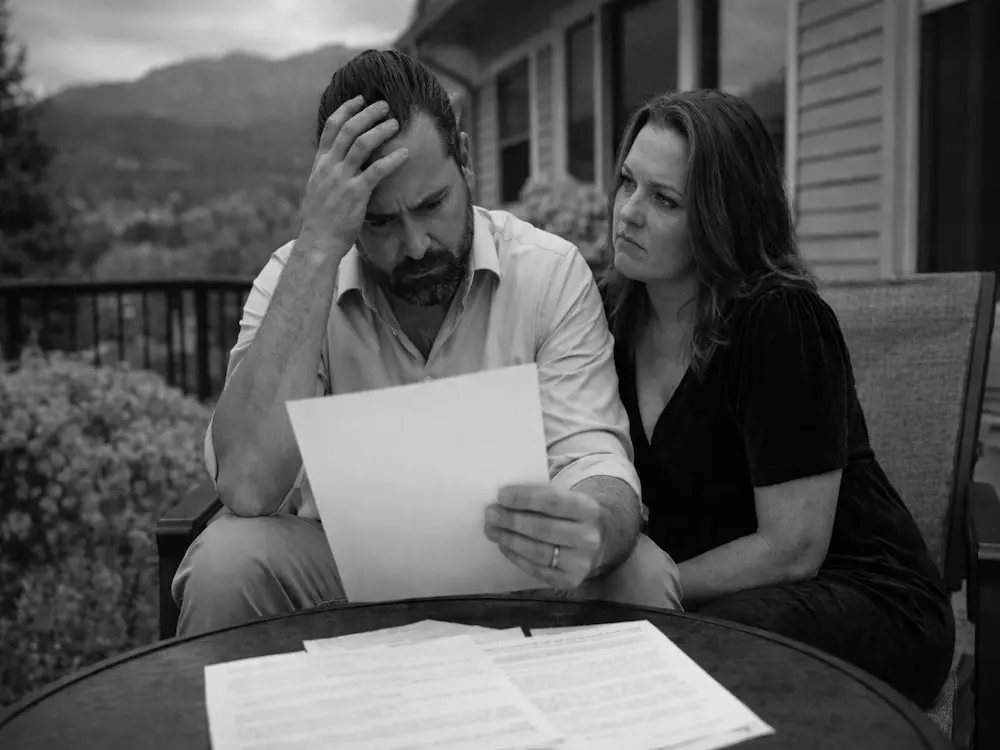
Your insurance carrier offered $8,500 for a roof that needs $22,000 in repairs. Or worse—they denied your claim entirely, saying the damage is “pre-existing” or “cosmetic.”
You know something’s wrong. But you don’t know how to prove it.
That’s where I come in. I’m Gerald Winik, and I provide professional roof damage documentation that insurance companies can’t dismiss. No contractor sales pitch. No inflated estimates. Just accurate, carrier-specific documentation that gets your claim approved—or your settlement increased.
Insurance Claims Won
Claim Approval Rate
Average Claim Increase
Carriers Mastered
Why Insurance Claims Get Denied or Underpaid
Insurance carriers don’t deny claims because your damage isn’t real. They deny them—or minimize settlements—because the documentation doesn’t meet their specific requirements.
Here’s what’s happening behind the scenes:
Adjusters Are Trained to Minimize Payouts
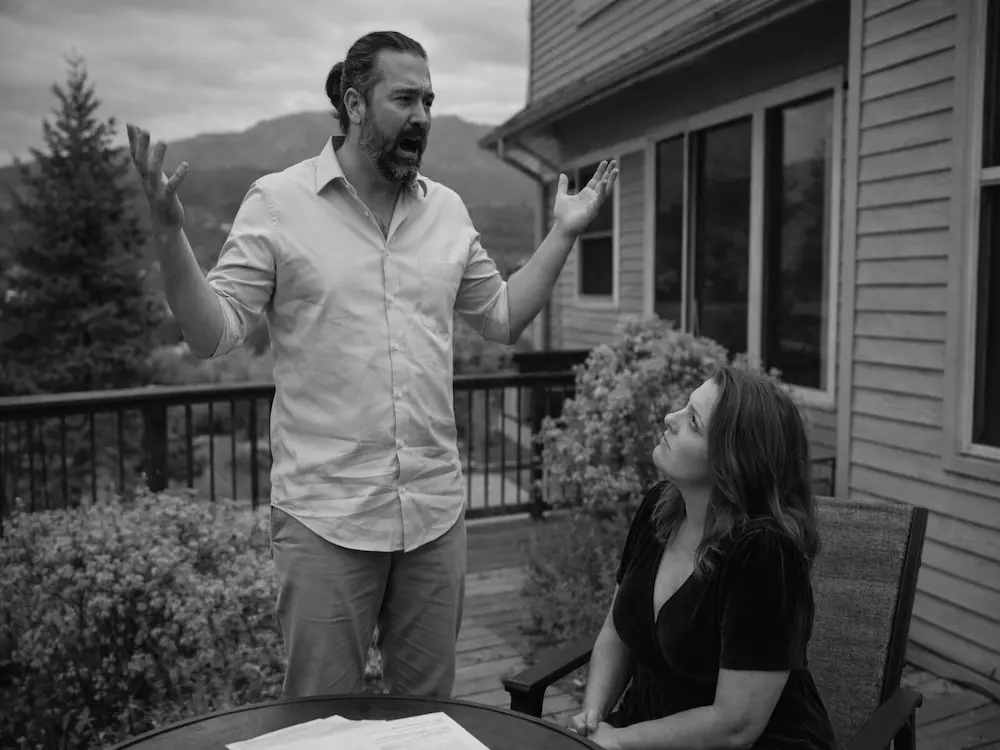
Your adjuster has quotas. They’re evaluated on how much they save the company. When documentation is incomplete or doesn’t follow their carrier’s specific standards, they have grounds to deny or reduce your claim.
Different Carriers Have Different Documentation Standards
State Farm evaluates wind damage differently than Allstate. USAA requires specific photo angles that Farmers doesn’t care about. Generic inspection reports—even from contractors—often miss carrier-specific requirements.
“Contractor Inspections” Create Problems
Contractors document damage to justify their bid—not to satisfy insurance requirements. Adjusters know this, which is why contractor reports often get dismissed as “biased” or “inflated.”
Homeowners Don’t Know What Evidence Matters
You take photos of obvious damage. But adjusters look for specific indicators: impact points per square, fracture patterns, granule displacement measurements, substrate exposure. Without this technical documentation, legitimate damage gets classified as “wear and tear.”
The result? Denied claims. Lowball settlements. Out-of-pocket expenses that insurance should have covered.
How I Document Your Claim Properly
I’ve worked alongside adjusters from every major insurance carrier operating in Colorado Springs. I know exactly what documentation each carrier requires—and how to present damage in terms they can’t dispute.
What Makes My Documentation Different:
I Know Your Carrier’s Playbook
State Farm, USAA, Farmers, Allstate, Liberty Mutual, Nationwide—every carrier has specific evaluation methods, common objections, and documentation requirements. I’ve documented claims for all of them, and I know what evidence each carrier demands.
I Document to Professional Standards
My reports include:
- Precise impact measurements and density calculations per ASTM standards
- Detailed photo documentation with proper lighting and reference points
- Material-specific damage analysis (asphalt vs. tile vs. metal)
- Weather event correlation using NOAA storm data
- Building code compliance documentation
- Detailed written reports adjusters can’t dismiss
I Have No Financial Stake in Your Claim Outcome
I’m not bidding on your roof replacement. I don’t sell materials. I don’t work for your insurance company. My only job is documenting legitimate damage accurately—which is exactly why adjusters take my reports seriously.
I Understand What Adjusters Look For
Adjusters follow specific damage assessment protocols. I document using their terminology, their measurement standards, and their evidence requirements. This eliminates the “he said, she said” disputes that kill most claims.
Essential Care
$490
per year
Describe your service plan and the unique features it includes.
The plan features listed out here
Lorem ipsum amet elit morbi dolor
Vivamus eget mollis nostra ullam
Pharetra torquent auctor metus
Advanced Care
$990
per year
Describe your service plan and the unique features it includes.
The plan features listed out here
Lorem ipsum amet elit morbi dolor
Vivamus eget mollis nostra ullam
Pharetra torquent auctor metus
Semper tellus semper taciti nostra
Dapibus gravida praesent magnis
Commercial Plans
Call our office to speak with our sales team regarding commercial accounts and customized service plans.
(888) 555-5555
Dedicated service technician
Priority appointment booking
Discounts on parts and labor
One year commitment required
Carrier-Specific Documentation Expertise
Not all insurance companies evaluate roof damage the same way. Here’s how I approach documentation for major carriers:
State Farm
State Farm adjusters often challenge impact density calculations and require specific evidence of functional vs. cosmetic damage. I document using their preferred measurement methodology and provide detailed substrate damage evidence.
Common State Farm objections I address:
- “Damage is cosmetic only”
- “Insufficient impact density”
- “Pre-existing wear and tear”
USAA
USAA requires military-grade precision in documentation. Their adjusters expect detailed measurements, specific photo angles, and thorough weather event correlation.
What USAA adjusters demand:
- Exact hail size and storm path documentation
- Detailed impact measurements per section
- Clear differentiation between storm damage and age-related wear
Farmers Insurance
Farmers frequently disputes wind damage claims and requires extensive evidence of wind-driven impacts. I document wind directional patterns, secondary damage indicators, and material failure analysis.
Farmers-specific documentation:
- Wind speed correlation from local weather data
- Directional impact evidence
- Seal failure and uplift documentation
Allstate
Allstate adjusters often classify legitimate damage as “normal wear.” I provide age-appropriate condition comparisons and demonstrate how storm damage differs from expected deterioration.
Allstate claim challenges:
- Age-based depreciation disputes
- “Normal wear and tear” classifications
- Functional damage requirements
American Family
American Family adjusters frequently challenge the scope of damage and require clear evidence that replacement—not just repairs—is necessary. They often push for patch repairs even when full replacement is warranted.
What American Family adjusters demand:
- “Spot repairs are sufficient” disputes
- Warranty void documentation requirements
- System-wide replacement justification
- Match-ability and uniformity standards
Liberty Mutual, Nationwide, Lemonade
Each carrier has unique evaluation protocols. I’ve documented successful claims with all major carriers operating in Colorado Springs and understand their specific requirements.
What’s Included in My Claim Documentation
When I document your roof damage, you receive comprehensive evidence that meets insurance industry standards:
Comprehensive Roof Inspection
- Complete roof surface evaluation (all slopes, penetrations, valleys)
- Impact density measurements and calculations
- Material condition assessment
- Substrate damage identification
- Secondary damage documentation (gutters, vents, flashing)
- Building code compliance review
Detailed Written Report
- Executive summary of findings
- Damage description using insurance industry terminology
- Impact measurements and density calculations
- Weather event correlation
- Material damage analysis
- Recommended scope of repairs
- Building code requirements
Professional Photo Documentation
- High-resolution close-up damage photos
- Wide-angle context photos showing damage distribution
- Measurement reference photos
- Before/after comparison documentation when available
- Properly lit and focused images adjusters can’t dismiss
Weather Event Correlation
- NOAA storm data for your specific address
- Hail size and wind speed documentation
- Storm path and timing verification
- Historical weather event timeline
On-Site Adjuster Support (When Needed)
- I attend the insurance adjuster inspection with you
- Point out damage the adjuster might miss
- Provide technical clarification on damage assessment
- Ensure proper documentation during carrier inspection
- Address adjuster objections with professional evidence
How Proper Documentation Changes Outcomes
Here’s what happens when claims are documented properly:
Case Study 1: State Farm Hail Damage Claim – Briargate
Initial Offer: $8,500 (repair only, high depreciation)
After My Documentation: $31,000 (full replacement approved)
Difference: $22,500 more in homeowner’s pocket
What changed: I provided impact density calculations proving functional damage, documented substrate exposure State Farm’s adjuster initially missed, and correlated damage patterns with verified hail storm data.
Case Study 2: USAA Wind Damage Denial – Monument
Initial Decision: Claim denied (“insufficient evidence of covered loss”)
After My Documentation: $18,500 approved
Result: Claim went from denied to approved
What changed: I documented wind-directional damage patterns, provided detailed seal failure evidence, and showed clear differentiation between wind damage and normal wear.
Case Study 3: Farmers Insurance Underpayment – Security-Widefield
Initial Offer: $12,000 (patch repairs only)
After My Documentation: $26,500 (full roof system replacement)
Difference: $14,500 increase
What changed: I identified code upgrade requirements Farmers’ adjuster didn’t account for, documented concealed damage during test cuts, and provided manufacturer warranty void documentation.
These aren’t isolated cases. Proper documentation consistently results in approved claims and higher settlements because adjusters can’t dispute evidence that meets their own carrier’s standards.
When to Bring Me In
The sooner you involve me, the stronger your claim position. Here’s when my documentation makes the biggest difference:
Good: After a Lowball Settlement Offer
Why this still works
- You have leverage to renegotiate
- Proper documentation proves their estimate is insufficient
- Many carriers will revise settlements when presented with professional evidence
When this makes sense:
- The adjuster’s estimate seems way too low
- They’re only offering repairs when you need replacement
- They’re applying excessive depreciation
NECESSARY: After Your Claim Was Denied
Why you need professional help:
- You’re fighting an uphill battle without proper documentation
- Carriers rarely reverse denials without new evidence
- You may need to escalate to Department of Insurance or legal action
When this makes sense:
- Your claim was denied for “insufficient evidence”
- They classified damage as “cosmetic” or “pre-existing”
- You know the damage is real but can’t prove it
CRITICAL: Before Accepting a Final Settlement
Why this matters:
- Once you sign, you can’t reopen the claim
- Hidden damage often isn’t discovered until replacement begins
- You deserve to know if the settlement truly covers your repairs
When this makes sense:
- The settlement seems reasonable but you’re not sure
- You want verification before signing away your rights
- The contractor says the settlement won’t cover proper repairs
How the Documentation Process Works
Step 1: Free Claim Consultation (15-20 Minutes)
We discuss:
- Your insurance carrier and claim status
- What damage you’ve observed
- What the adjuster said (if you’ve already filed)
- Whether my documentation will help your specific situation
No pressure. No obligation. Just honest guidance.
Step 2: Professional Roof Inspection (1-2 Hours)
I conduct a comprehensive inspection including:
- Complete roof surface evaluation
- Impact measurements and density calculations
- Photo documentation with proper reference points
- Secondary damage assessment
- Building code compliance review
Step 3: Detailed Documentation Report (24-48 Hours)
You receive:
- Professional written report with findings
- Complete photo documentation package
- Weather event correlation data
- Recommended scope of repairs
- Everything formatted for insurance submission
Step 4: Claim Support & Follow-Through
Depending on your situation:
- I help you submit documentation to your carrier
- I attend adjuster meetings if needed
- I respond to adjuster questions or objections
- I connect you with public adjusters or attorneys if necessary
Step 5: Results
Most properly documented claims result in:
- Approved claims that were initially denied
- Settlement increases of $5,000-$30,000+
- Faster claim processing
- Less stress and frustration
Essential Care
$490
per year
Describe your service plan and the unique features it includes.
The plan features listed out here
Lorem ipsum amet elit morbi dolor
Vivamus eget mollis nostra ullam
Pharetra torquent auctor metus
Advanced Care
$990
per year
Describe your service plan and the unique features it includes.
The plan features listed out here
Lorem ipsum amet elit morbi dolor
Vivamus eget mollis nostra ullam
Pharetra torquent auctor metus
Semper tellus semper taciti nostra
Dapibus gravida praesent magnis
Commercial Plans
Call our office to speak with our sales team regarding commercial accounts and customized service plans.
(888) 555-5555
Dedicated service technician
Priority appointment booking
Discounts on parts and labor
One year commitment required
What This Documentation Costs You
Nothing out of pocket
My services are included in your insurance claim settlement through partnerships with vetted contractors I’ve carefully screened for quality and integrity. This model allows me to provide professional consulting without upfront fees while maintaining my role as YOUR advocate—not a salesperson.
- No conflicts of interest from contractors chasing bids
- Professional expertise without consultation fees
- Vetted contractors who handle claims properly
- You’ll know your deductible amount upfront
Your only expense is your insurance deductible when repairs are completed—typically $500 to $2,500 depending on your policy type.
If my carrier-specific documentation recovers even $2,000 more than you’d get otherwise, you’ve gained thousands in value. More importantly, you avoid the $3,000-$8,000 surprises from missed code requirements or insufficient settlements.
Why Insurance Companies Don’t Want You to Know This
Carriers benefit when homeowners don’t understand how claims are evaluated. Every underpaid claim increases their profit margin. Every denied claim based on “insufficient documentation” saves them thousands.
But here’s what they don’t advertise:
You have the right to document your damage professionally. You have the right to challenge their findings. You have the right to proper claim evaluation.
And when damage is documented to industry standards using carrier-specific protocols, adjusters have far less room to dispute legitimate claims.
That’s not gaming the system. That’s ensuring you receive the coverage you’ve been paying for.
Common Questions About Claim Documentation
“Should I wait for the adjuster before getting my own inspection?”
“Will hiring you make my insurance company angry?”
“Can’t my contractor document the damage?”
“What if my claim was already denied?”
“How long does documentation take?”
“Do you work with public adjusters or attorneys?”
“What carriers do you have experience with?”
“What if I already accepted a settlement?”
What Makes My Approach Different
I Tell You the Truth, Even When It’s Not What You Want to Hear
If your roof doesn’t have compensable storm damage, I’ll tell you—even if you’re convinced you need a full replacement. My reputation depends on accuracy, not on inflating damage to generate work.
I Have No Contractor Bias
I don’t install roofs, sell materials, or mark up repairs. I document damage. That independence is exactly why adjusters take my reports seriously and why homeowners trust my findings.
I Know Colorado Springs Weather Patterns
I’ve tracked every significant hailstorm in El Paso County since 2013. I know how hail intensity varies across neighborhoods, how wind damage presents at different elevations, and how our temperature swings affect roofing materials. That local expertise matters.
I Understand Building Code Requirements
Storm damage often triggers code upgrades that adjusters don’t account for in initial estimates. I document these requirements upfront so you’re not blindsided by thousands in “non-covered” costs during replacement.
I Connect You With the Right Professionals
When claims require additional advocacy, I work with licensed public adjusters and insurance claim attorneys I trust. You get a complete team—not just documentation.
Ready to Document Your Claim Properly?
Stop fighting with your insurance company alone. Get professional documentation that adjusters can’t dismiss.
Schedule Free ConsultationCall or Text
(719) 210-8699
- Colorado Springs (all neighborhoods: Briargate, Northgate, Rockrimmon, Powers Corridor, Southeast)
- Monument
- Fountain
- Security-Widefield
- Falcon
- Peyton
- Black Forest
- Manitou Springs
Available throughout El Paso County. Fast response after storm events.